Landal Olde Kottink in Twente received its first guests on April 4, 2025. It is a small-scale park whose phase 1 has now been completed. Park managers Geert and Daphne explain: “The small scale and unique location in the Natura 2000 Dinkelland area require business that does justice to the natural environment.” This starts with the infrastructure for which Seijsener Recreatietechniek was called in. The design also ensured that park management is in control of many of their utilities.
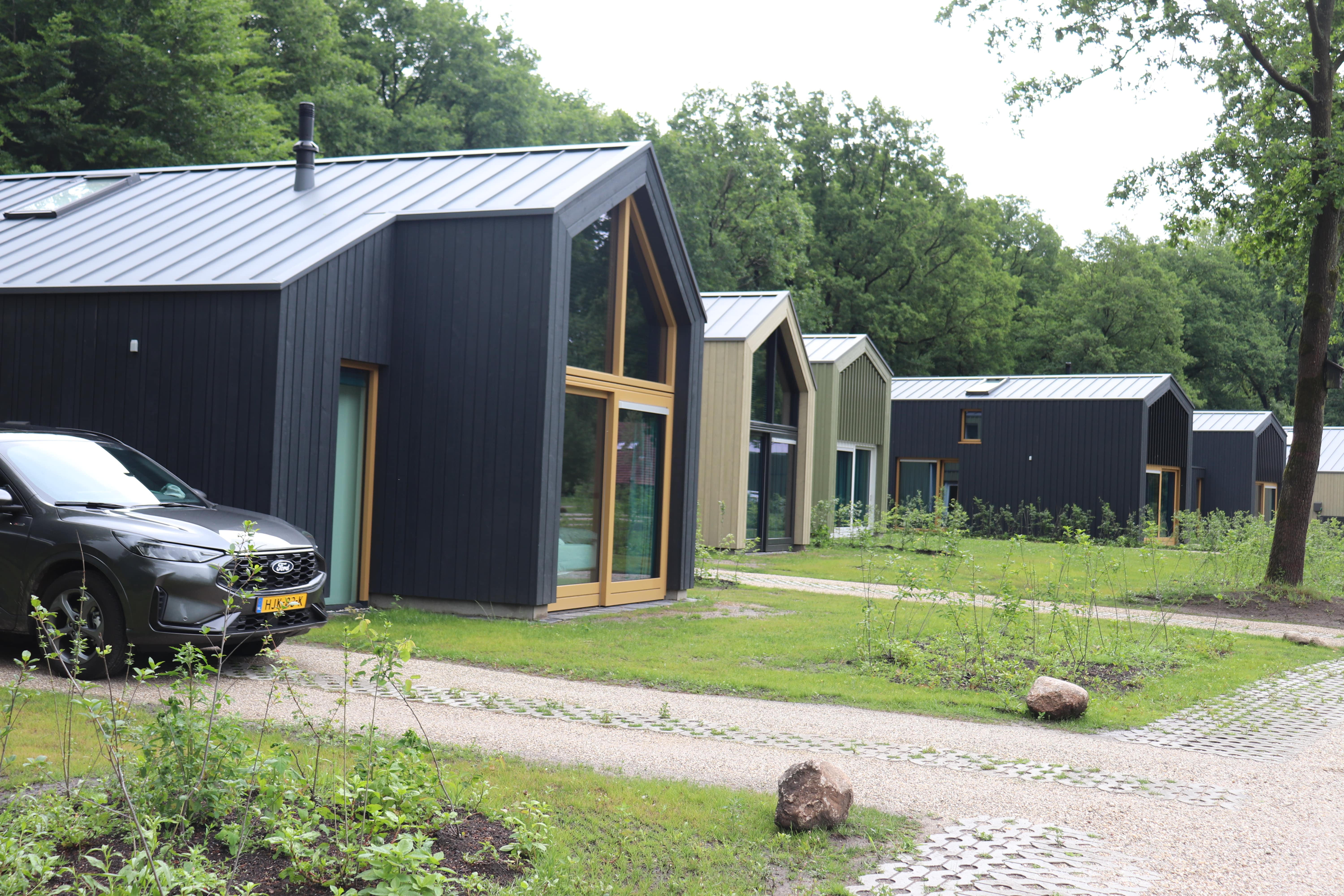
Landal Olde Kottink was developed by Paradys Recreation on the grounds of the De Kunne nature campsite. A cooperative of the Owners Association is closely involved in the developments. After all, they operate the park, with the support of Landal. In phase 1, 39 vacation homes were built and a center building with wellness and a compact indoor playground was also opened. The real appeal of this park, however, is determined by its beautiful natural surroundings and location on the river De Dinkel. Phase 2, with the development of another 26 homes, is currently under development. In these kinds of developments, stakeholders from the region, including stakeholders from the region, are increasingly looking at the sustainable impact of such a new project. Ecological specialist ID Verde was hired to design and realize landscaping and planting for a climate-adaptive park that focuses on themes such as biodiversity, climate and spatial quality.
Recreational technology; barely visible, but crucial for sustainable exploitation
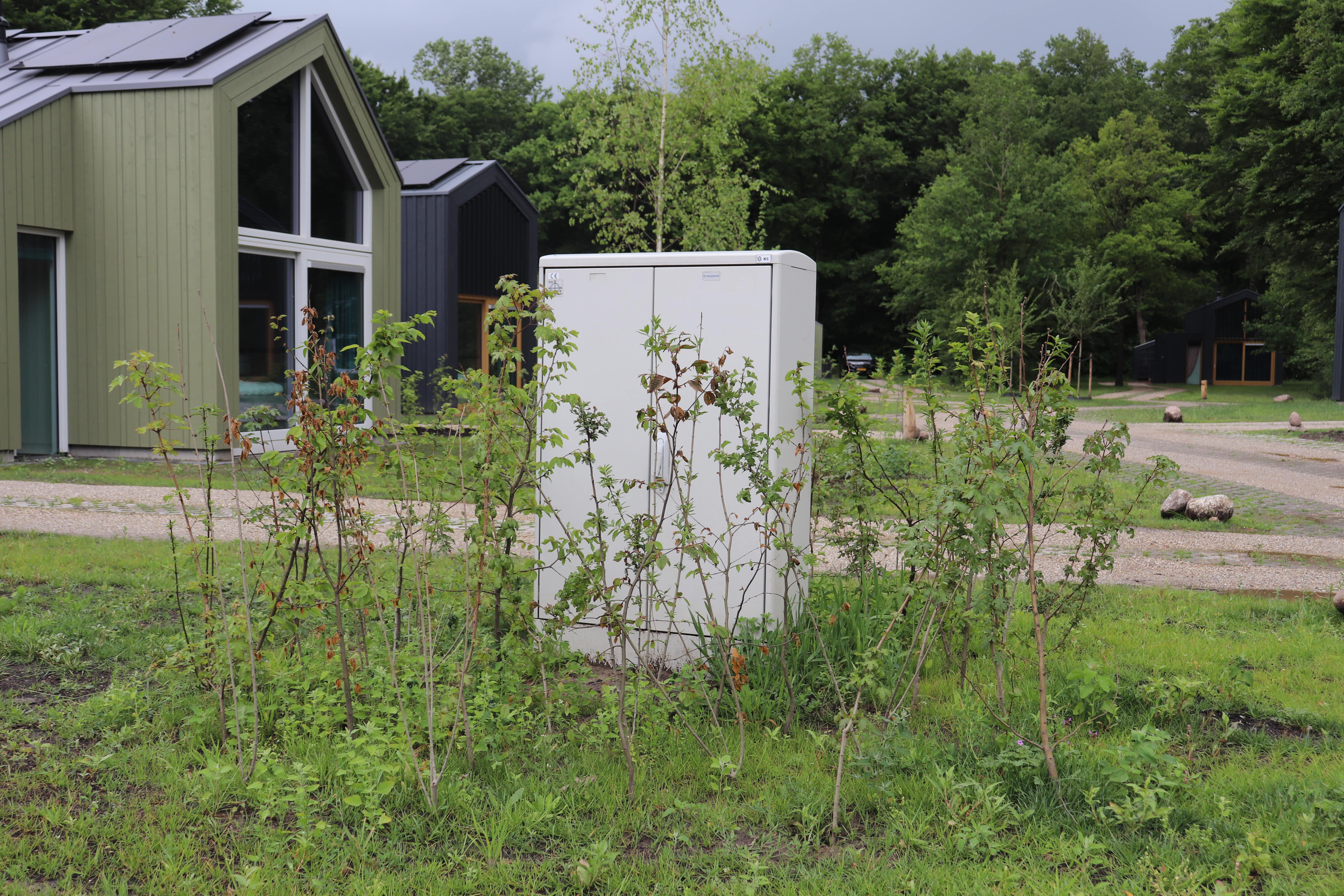
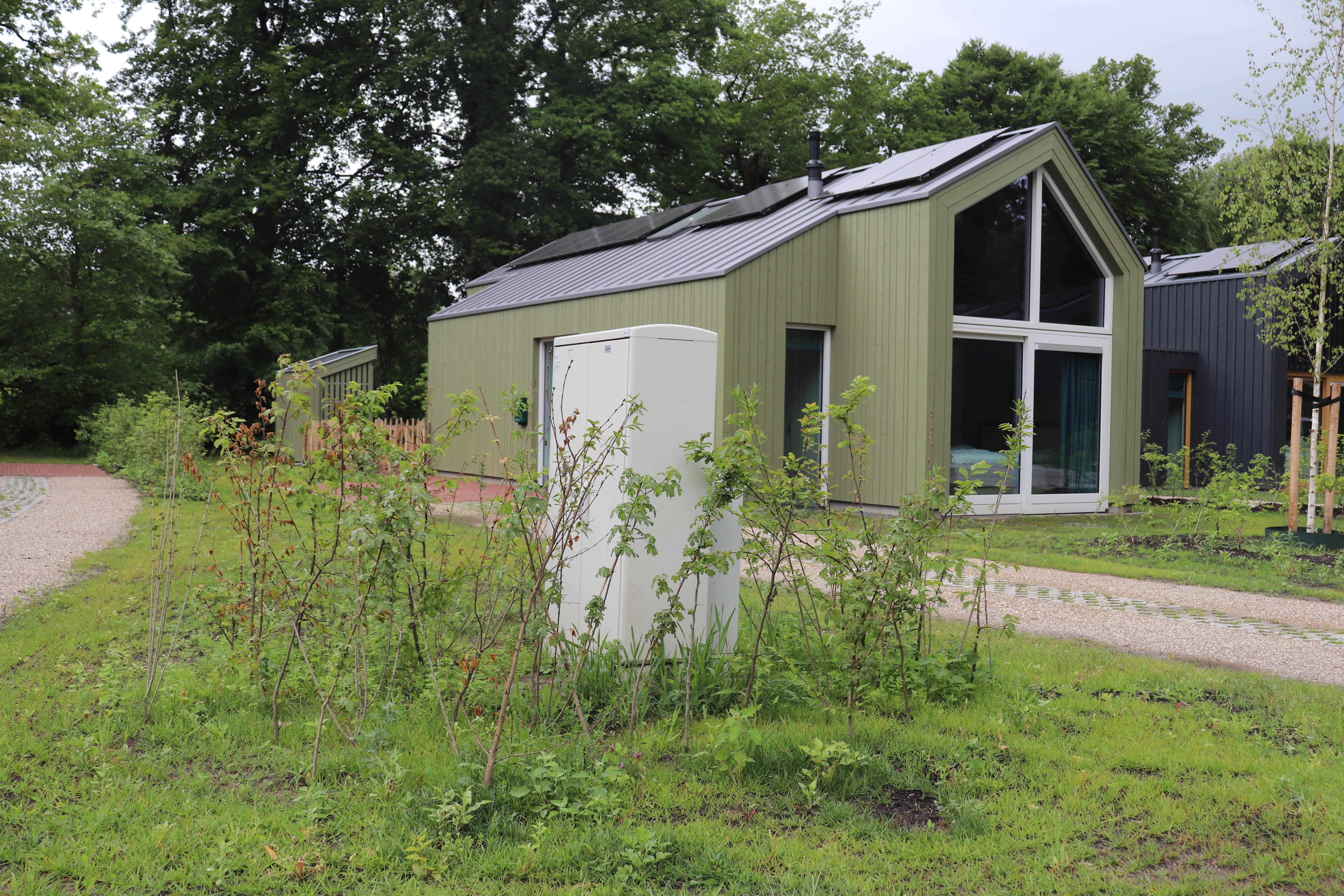
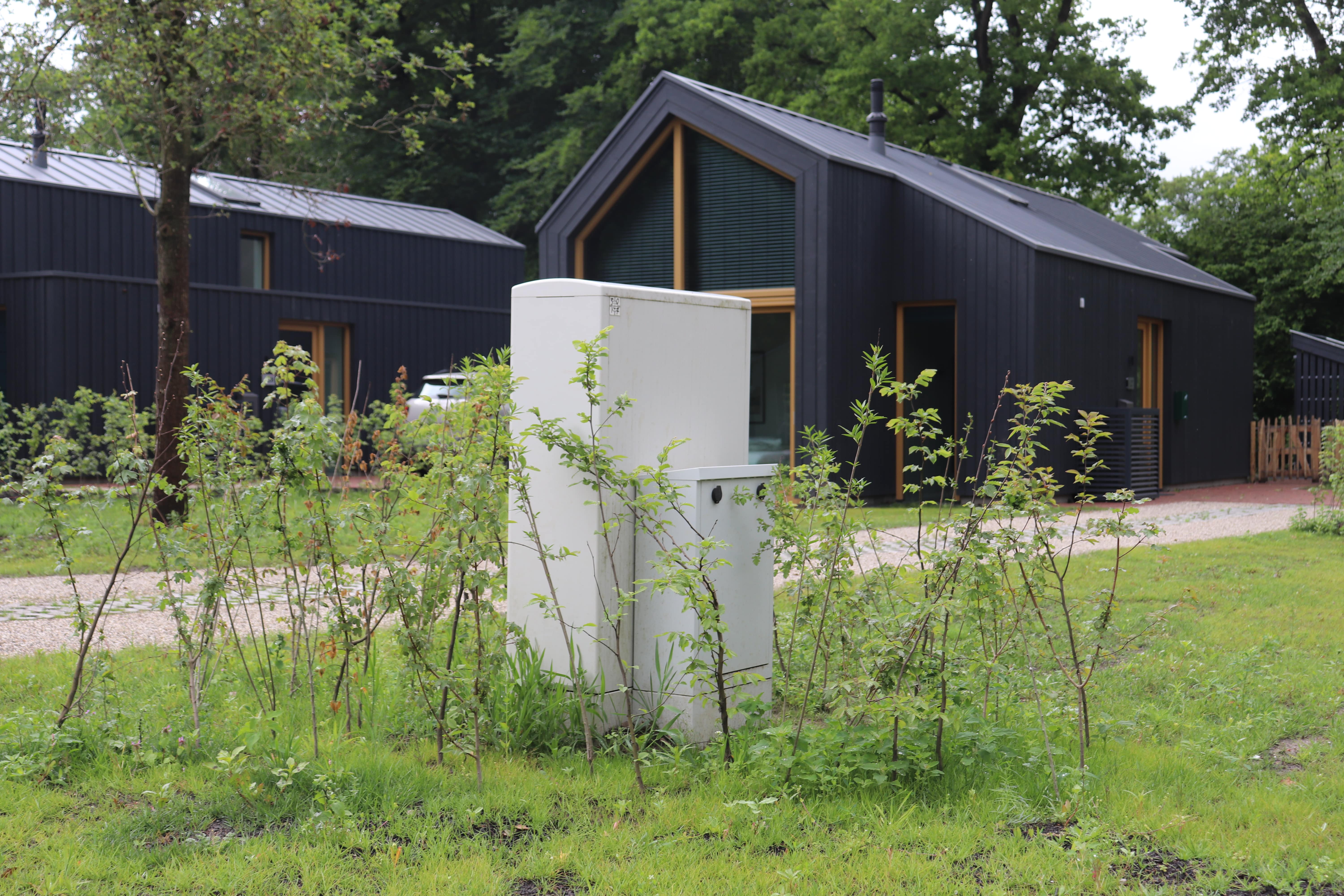
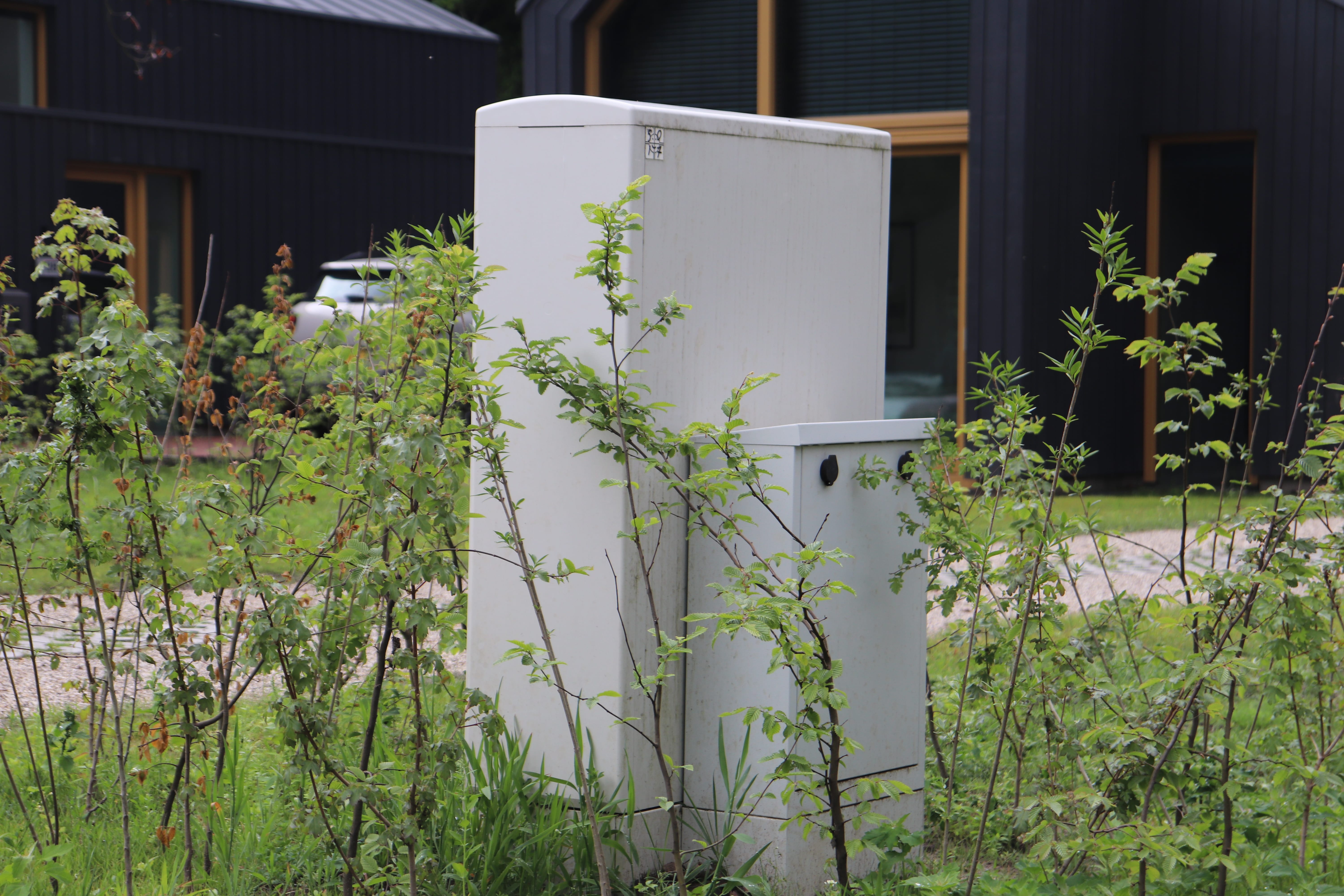
The recreational technology, including the energy supply, water, sewer and fiber optics, will soon not be visible to visitors. This entire infrastructure, realized by Seijsener, is mostly underground. It is essential that this part is well thought out beforehand, because it is the basis on which daily operations, but also future developments, depend. Ronald van den Heuvel managed this project on behalf of Seijsener and gives a tour of the site. Geert de Boer also explains the things he finds important as a park manager.
Power; Just got ahead of grid congestion
The transition from a nature campsite to a park with 65 vacation homes has an enormous impact on the required power capacity. Where the old nature campsite could still get by with a low-power connection, a high-voltage connection was now essential; especially because the park was set up gas-free. This is the first thing that the project developer wanted to capture when buying the site in 2021. In addition, they were lucky that there was no network congestion in the Dinkelland region at that time and that this essential condition could therefore be laid down with network operator Enexis.
Van den Heuvel explains briefly what the power supply includes:
“Enexis provides a high-voltage connection at the edge of the park. That's what we'll take over. In a transformer station, the power is converted to medium current, which can be used for the holiday homes and facilities in the park. The self-generated power from solar panels is also connected to the energy grid. By the way, the wellness facility at the park still provides considerable energy demand.”
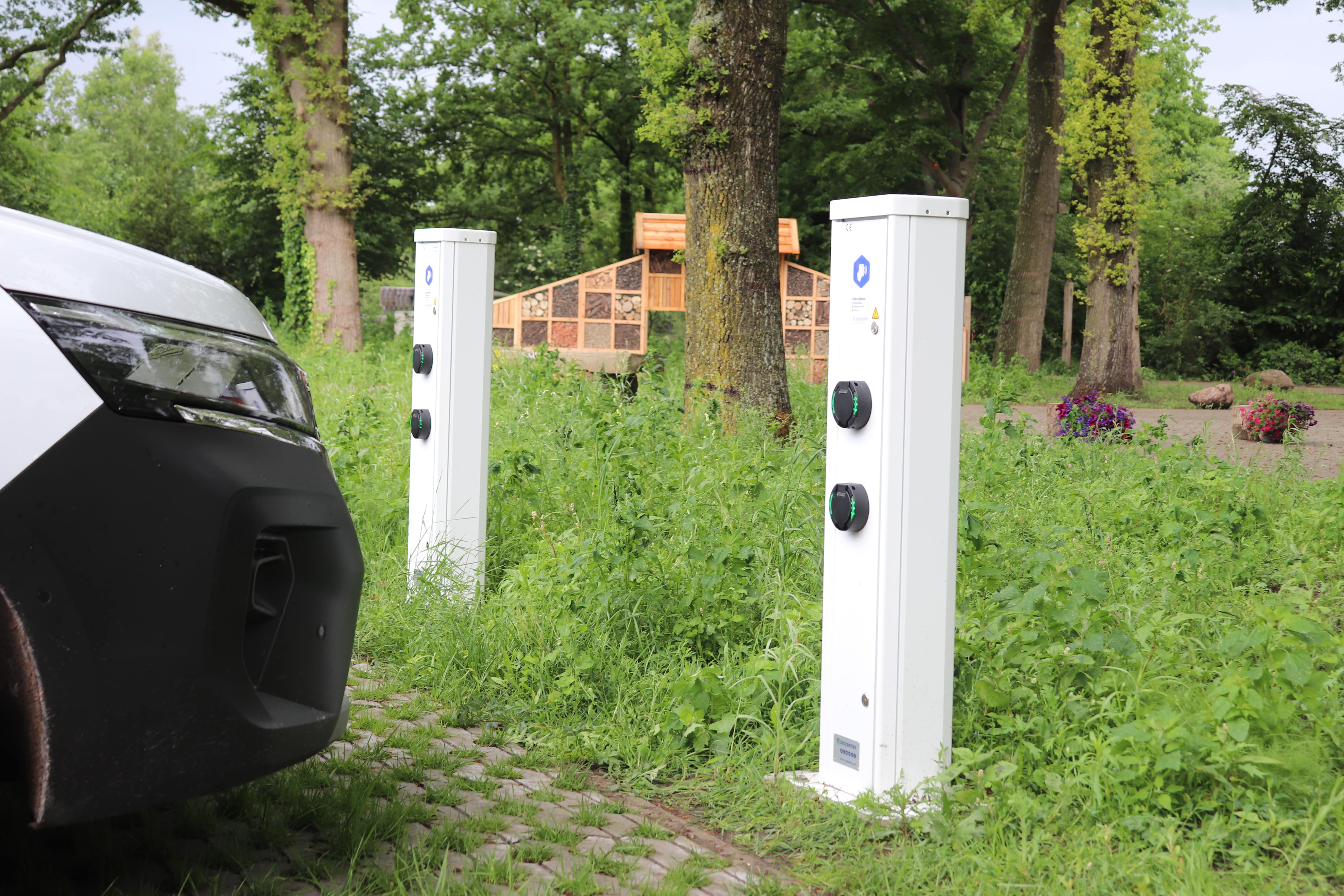
Each holiday home has its own charging facility for electric cars. Geert de Boer adds: “The demand for this facility exceeds my expectations. There are really a lot of people who found this important when booking.”
Sewer; also embedded in sustainable business
“Nowadays, a new holiday park must have a separate system for rainwater and more polluted water. That is a legal obligation,” explains Van den Heuvel. “The regular sewer system is not that exciting. We have been realizing that for years. It runs to the lowest point in this accidental park and we pump everything there to connect the municipality.”
The nature-friendly design plays an important role in draining rainwater. Van den Heuvel shows how that works. “All rainwater must be collected in a separate sewer line. In this area, it flows into wadis that support a special ecosystem due to the varying water level. When there is a lot of rain, the wadis overflow and the water is transferred to the river De Dinkel.”
Fibreglass; keeps a grip on your own utilities
Fiber is also a basic facility that is no longer missing in a modern park. This is important, among other things, for the internet, television and other data facilities. In the Netherlands, the distribution of TV and internet, among other things, is provided by a few major network operators. They have also been interested in the recreation sector for several years. As a park, Van den Heuvel calls for making central agreements with a network operator:
“At Olde Kottink, we did that with grid operator Delta. You have quite a strong negotiating position, because you close the connection for a large number of locations. In addition, you can also make appointments from the channel package. Useful if, for example, you have a lot of foreign guests. In addition, every five years, you can check whether the current provider still offers the best price-quality ratio.”
There is another development when it comes to TV in the holiday home; more and more often, guests have the option to stream their connection from home via their mobile to the TV in the holiday home. Geert de Boer also sees this happening on Olde Kottink: “That's why we've installed a google chromecast cabinet on each TV to make that possible. This is a great solution, especially for less regular foreign channels.”
By the way, the same story also applies to the purchase of power supplies and drinking water, which you would prefer to arrange centrally for the entire park.
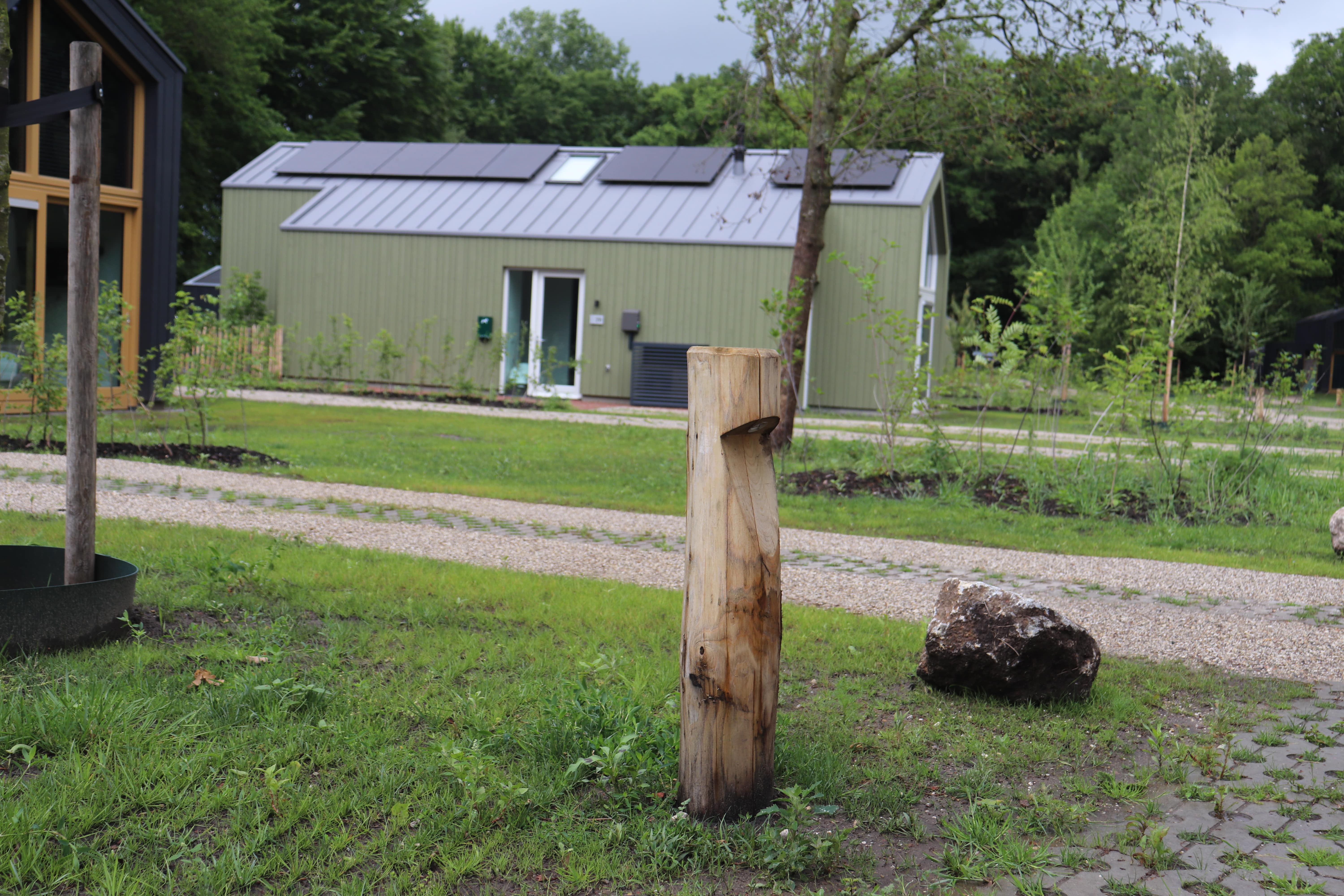
Overview of Seijsener's activities at Landal Olde Kottink:



.png)